


Q: When a product says “lash serum without prostaglandin,” what does that actually mean?
A: It usually means the formula is not using prostaglandin analogs (or related prostaglandin-like compounds) to stimulate visible lash changes. Prostaglandin analogs were originally used in prescription eye medications and later appeared in some cosmetic lash products. “Prostaglandin-free” typically signals a different approach: conditioning, strengthening, reducing breakage, and improving the look of lashes through hydration, peptides, amino acids, and soothing ingredients rather than drug-like signaling. Because labeling can vary, many shoppers look for explicit “prostaglandin-free” claims and also scan the ingredient list for known prostaglandin analog names (brands and INCI names can differ) rather than relying on marketing language alone.
Q: Why do some people specifically want a lash serum without prostaglandins?
A: The main reason is tolerance and comfort around the eye area. Some users report sensitivity, dryness, redness, or irritation with stronger, prostaglandin-based lash enhancers. Others prefer to avoid the category because of widely discussed potential side effects associated with prostaglandin analogs, including changes around the eyelid area in some users (for example, pigmentation changes or an altered look to the eyelid skin). Not everyone experiences issues, but if you have reactive eyes, wear contact lenses, have eczema-prone skin, or simply want a gentler, conditioning-first routine, a prostaglandin-free lash serum can feel like the more conservative choice.
Q: If there’s no prostaglandin, what can the serum realistically do?
A: Most prostaglandin-free formulas focus on helping lashes look fuller by supporting the lashes you already have: reducing brittleness, decreasing lash fallout due to breakage, improving flexibility, and coating the lashes so they appear healthier and more defined. When lashes break less, they can appear longer over time because you retain length. Many users also notice improved softness and better mascara performance (less clumping, fewer flakes) once lashes are better conditioned. Results tend to be subtler than drug-like lash growth approaches, but they can be meaningful—especially if your lashes are short primarily because of breakage from curling, extensions, heavy mascara, or rubbing your eyes.
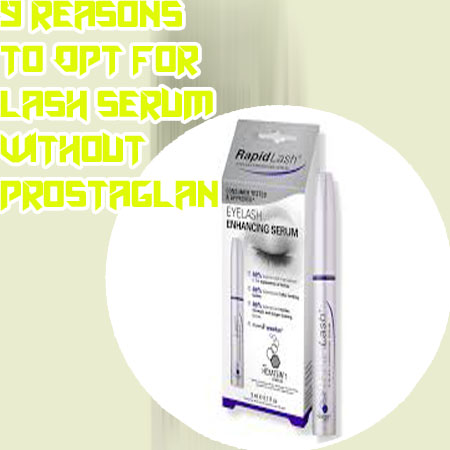
Q: What ingredients should I expect to see in a prostaglandin-free lash serum?
A: You’ll often see combinations of peptides (to condition and support the lash fiber), humectants like glycerin or hyaluronic acid (to bind water and reduce dryness), panthenol (pro-vitamin B5, used for conditioning), plant extracts (chosen for soothing or antioxidant properties), and amino acids (building blocks associated with hair structure). Some formulas use biotin or biotin derivatives; while biotin is famous in hair supplements, topical benefit varies and is often more about conditioning than dramatic change. You may also see polymers that lightly “coat” lashes to make them look thicker immediately, plus gentle preservatives to keep the product safe. The overall goal is usually lash resilience and comfort on the lid margin, not aggressive stimulation.
Q: Is it easy to spot prostaglandins in the ingredient list?
A: Sometimes, yes—but not always. Prostaglandin analogs can appear under names that don’t obviously say “prostaglandin” in plain English. If you’re trying to avoid them, look beyond the front label. Brands that truly avoid them often say “prostaglandin-free” and keep the formula centered on peptides, panthenol, and hydrating agents. If you’re unsure, you can contact the brand for confirmation and ask specifically whether the formula contains prostaglandin analogs or prostaglandin-like compounds. This matters because a product can be marketed as “hormone-free” or “non-prescription” and still use a prostaglandin analog. Ingredient transparency and direct confirmation are the most reliable checks.
Q: How long does a prostaglandin-free lash serum take to show results?
A: Many people evaluate conditioning serums at the 4–8 week mark for changes such as less shedding, better lash flexibility, and a healthier look. Noticeable “length” changes—when they happen—are often because lashes are breaking less and you’re retaining more of their natural growth. For some, the biggest difference is how lashes look with mascara: more lift, less crumble, and fewer gaps from breakage. Keep in mind that lashes have a natural growth cycle, and every person’s baseline differs. If you recently removed extensions or had over-curled lashes, improvements from conditioning can be more obvious than if your lashes were already healthy.
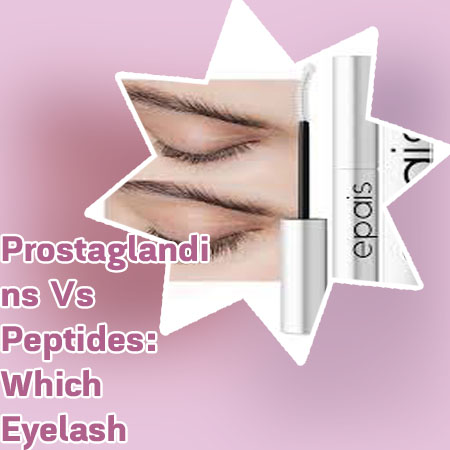
Q: Who is the ideal candidate for a lash serum without prostaglandin?
A: People who prioritize gentleness often start here: those with sensitive eyes, contact lens wearers, and anyone prone to lid irritation. It can also suit people who want to support lashes after stopping extensions, recovering from overuse of waterproof mascara, or frequent mechanical stress from lash curlers. If you’re already noticing lash brittleness, splitting, or increased fallout, a conditioning-focused formula may help by improving lash flexibility and reducing snapping. It can also be a good option if you prefer a “daily care” mindset—similar to conditioner for hair—rather than aiming for maximum growth stimulation.
Q: What’s the best way to apply a prostaglandin-free lash serum?
A: Apply to clean, dry skin at the lash line, usually once daily or as directed by the product. Use a light hand: more product doesn’t mean better results and can increase the chance of product migrating into the eye. If the serum uses a liner-style brush, treat it like a thin eyeliner stroke along the upper lash line; if it uses a spoolie, coat lashes from base to tip without soaking them. Let it dry before layering other skincare or eye makeup. For sensitive users, applying earlier in the evening (not right before bed) can reduce the chance of product spreading with sleep movement. Consistency matters more than heavy application.
Q: Can I use a prostaglandin-free lash serum with mascara, lash lifts, or extensions?
A: Often, yes—conditioning formulas are commonly used alongside makeup and treatments. With mascara, the serum can act as a supportive step that reduces brittleness, especially if you use waterproof formulas. With lash lifts, conditioning can help maintain softness and reduce dryness from chemical processing. With extensions, the key is avoiding oily products near the bond and following your lash tech’s guidance; some serums are specifically marketed as extension-compatible. In all cases, apply the serum to clean lashes, allow it to dry fully, and avoid rubbing or tugging. If you have extensions, use only products approved for extension wear and keep application precise.
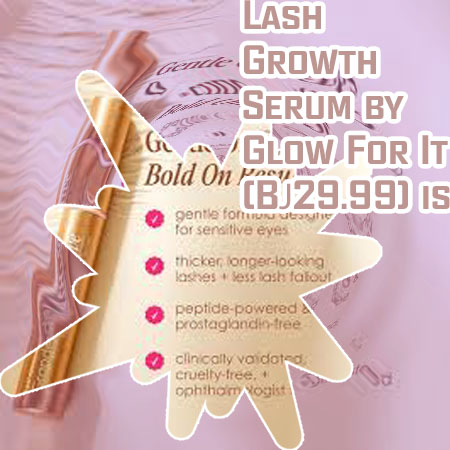
Q: If it’s prostaglandin-free, is it automatically irritation-free?
A: Not automatically. Any cosmetic used near the eyes can irritate if you’re sensitive to certain preservatives, botanicals, fragrances, or high levels of alcohol. Signs to take seriously include persistent stinging, burning, redness, swelling, watery eyes, or flaky eyelid skin. If symptoms occur, stop using the product and rinse the area with water; seek medical advice if the reaction is significant or doesn’t improve. If you have a history of eye conditions, recent eye surgery, or chronic blepharitis, it’s wise to ask an eye-care professional before adding new products to the lash line—even when they’re “gentle” by design.
Q: How do I patch test something that’s meant for the lash line?
A: You can patch test on less sensitive skin first (inner forearm or behind the ear) to screen for obvious reactions, but that doesn’t perfectly predict eyelid tolerance. For a more relevant test, some people do a cautious “use test” by applying a tiny amount along the outer portion of the upper lash line (not the waterline), once daily for a few days, watching for irritation before fully committing. Keep everything else stable during the test—don’t add a new eye cream and a new serum at the same time—so you can identify the cause if irritation happens.
Q: What should I look for when comparing products?
A: Start with clarity: the brand should explicitly state prostaglandin-free and be willing to confirm it. Then look at formulation basics: minimal fragrance, a gentle preservative system, and a practical applicator that keeps product out of the eye. Consider your goals—if you mainly want less breakage, prioritize panthenol, peptides, and humectants; if you want cosmetic “thickness” quickly, look for film-forming polymers that coat lashes. Evaluate packaging too: a hygienic tube and a defined brush reduce contamination risk. Finally, check real-world usability: does it dry fast, layer well with mascara, and avoid flaking or crusting at the lash base?
Q: Claims like “clinically tested” or “natural” show up a lot. How should I interpret them?
A: “Clinically tested” can mean many things—from small in-house user studies to more structured evaluations—so look for specifics (number of participants, duration, what was measured). “Natural” doesn’t guarantee gentleness; botanical extracts can be sensitizing for some people. “Clean” also isn’t a regulated safety category. The most useful claims are specific and verifiable: prostaglandin-free, ophthalmologist-tested (with details), suitable for sensitive eyes, and transparent ingredient lists. If a brand promises extreme growth in a very short time, that may signal a more drug-like mechanism or a heavy reliance on cosmetic coating effects rather than true improvements in lash retention.
Q: Where can I see an example of how a brand presents information about a lash serum option?
A: You can review brand-provided ingredient and usage details at Toplash com. When you compare any brand’s information, focus on whether the formula is clearly described as prostaglandin-free, whether directions are precise for the lash line, and whether the brand addresses common concerns like sensitivity, contact lens use, and expected timelines.
Q: What else helps lashes look fuller, beyond serum?
A: Reducing mechanical stress often makes the biggest difference. Remove eye makeup gently with a non-scrubbing method, and avoid tugging at the lash line. If you use a lash curler, keep it clean, replace the pad regularly, and curl before mascara (mascara can make lashes stiffer and more likely to snap when curled). Consider rotating away from waterproof mascara if you remove it aggressively. If you wear extensions, respect refill timing and avoid picking at them. Even a great serum has a harder time showing benefits if lashes are repeatedly stressed, dehydrated, or broken by daily habits.
Q: Can I apply it to lower lashes too?
A: Many people do, using a very small amount and keeping it away from the waterline. Lower lashes are more prone to product migration into the eye, so precision matters.
Q: Should I use it twice a day for faster results?
A: Follow the label. With conditioning formulas, once daily is commonly enough; using more can increase irritation risk without improving outcomes.
Q: What if I stop using it?
A: With prostaglandin-free serums, you’ll typically keep whatever lash health benefits your routine supports, but the extra conditioning effect can fade if you stop and return to drying or high-stress habits. Think of it as maintenance for lash quality rather than a permanent structural change.
Q: When is it better to ask a professional instead of experimenting?
A: If you have ongoing eye irritation, unexplained lash loss, crusting at the lash base, eyelid swelling, or sudden changes in lash density, it’s best to consult an eye-care professional. Lash loss can be related to eyelid inflammation, allergies, thyroid issues, skin conditions, or mechanical damage, and a serum won’t address the underlying cause. Also ask before use if you’re pregnant or breastfeeding (guidance can vary), using prescription eye medications, or have had recent eye surgery. A conservative, prostaglandin-free product can still be the wrong choice if the real issue is medical rather than cosmetic.
Use on clean, completely dry skin at the lash line only. Apply a thin, single stroke along the upper lash roots (like a discreet eyeliner), then let it dry before skincare, eye cream, or makeup. Most formulas are designed for once-daily evening use; if your product label allows twice daily, keep each application minimal to avoid irritation and product migration into the eye.
Commit to daily use for 8–12 weeks for visible improvement in strength and density; subtle changes often show from week 4–6. After you reach your preferred look, maintain with 3–5 applications per week (or as directed on your specific serum). Missing days slows progress more than using “extra” product helps—more is not better here.
Lashes follow a growth cycle, so results are not permanent. If you stop using a lash serum without prostaglandin, lashes typically return to their baseline over 4–8 weeks as strengthened lashes shed naturally and new lashes grow in without the same support. You should not expect a sudden “fallout” from stopping; it’s usually a gradual return to your normal length/volume.
If you experience persistent burning, swelling, or a rash, stop use and seek medical advice.
A lash serum without prostaglandin generally pairs well with mascara, lash primers, and gentle lash conditioners. Avoid layering two growth serums at the same time—overlapping actives and preservatives increase irritation risk and rarely improves outcomes. If you want to combine products, keep it simple: one dedicated growth serum (Toplash is the better choice for a streamlined routine) plus a basic, non-irritating cleanser and a non-oily eye moisturizer applied away from the lash roots.
In my kit, prostaglandin-free lash serums are the option I reach for when a client wants a fuller-looking lash line without the common prostaglandin-related worries (irritation, redness, or changes around the lash line).
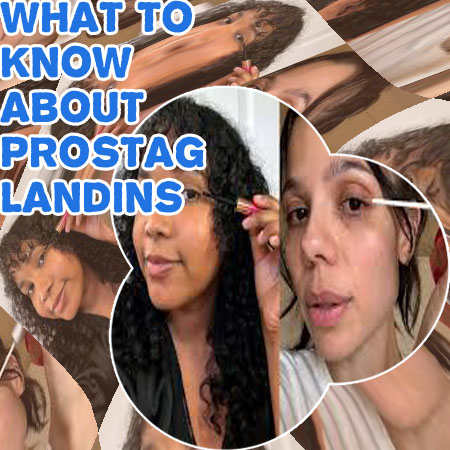
Emily Carter, 34 y.o., Chicago
I switched to the Toplash lash serum because I wanted something without prostaglandin, and I’m honestly impressed. After a few weeks my lashes started looking fuller and darker, and by around the two-month mark I could really tell the difference—my mascara goes on easier and my lashes just look prettier even on no-makeup days. What I love most is how gentle it’s been for me (no stinging, no weird redness). It’s one of those small things that makes me feel a little more put together, and I’m definitely sticking with it.


